
Our History
Preserving the Vision
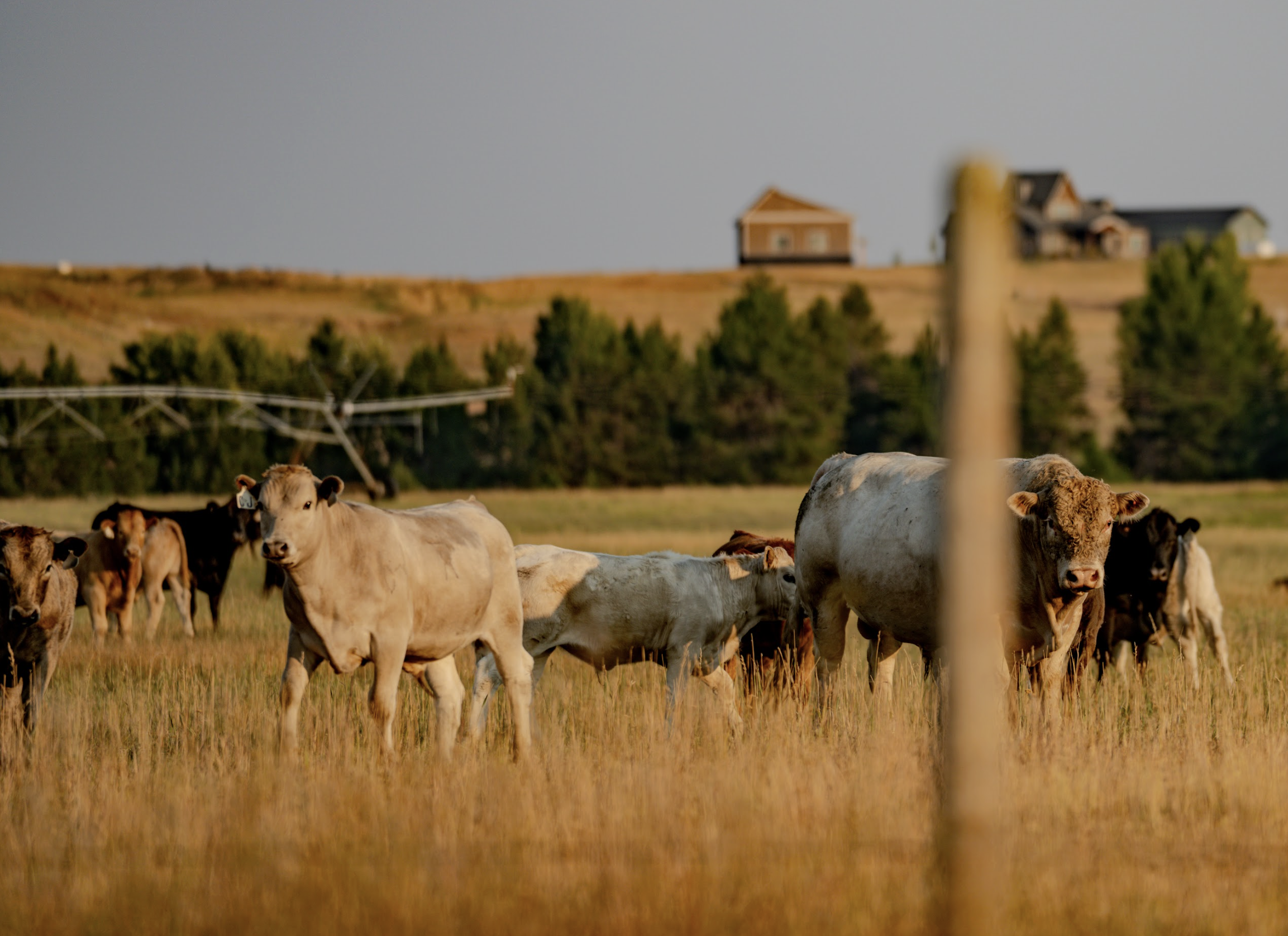
The evolution of the River Ranch property is as rich and interesting as its history. The story starts in the 1980s when a working cattle ranch was purchased in McCall. Drawn by the 360-degree views, wandering pastures, and crystal mountain waters of the Payette River, the long-time friends immediately knew that this property was a treasure to honor and protect for generations to come.
For several years, the partners continued raising cattle on the ranch and then growing seed oats, as they crafted their long-term vision of a residential community. With a deep family legacy in McCall and an appreciation of the existing natural environment, it was important to both families that they preserve and enhance the area they know and love. In 2020 the Hart family became the sole owners of the ranch and have continued on with the vision of what has now become McCall’s most authentic gated community.

Kathy & Dennis Hart
“We wanted an environment that retained the look of a ranch, with lots of open space and water. We also wanted an atmosphere and amenities that reflected the personality of the McCall area.”
Bringing the Vision to Life
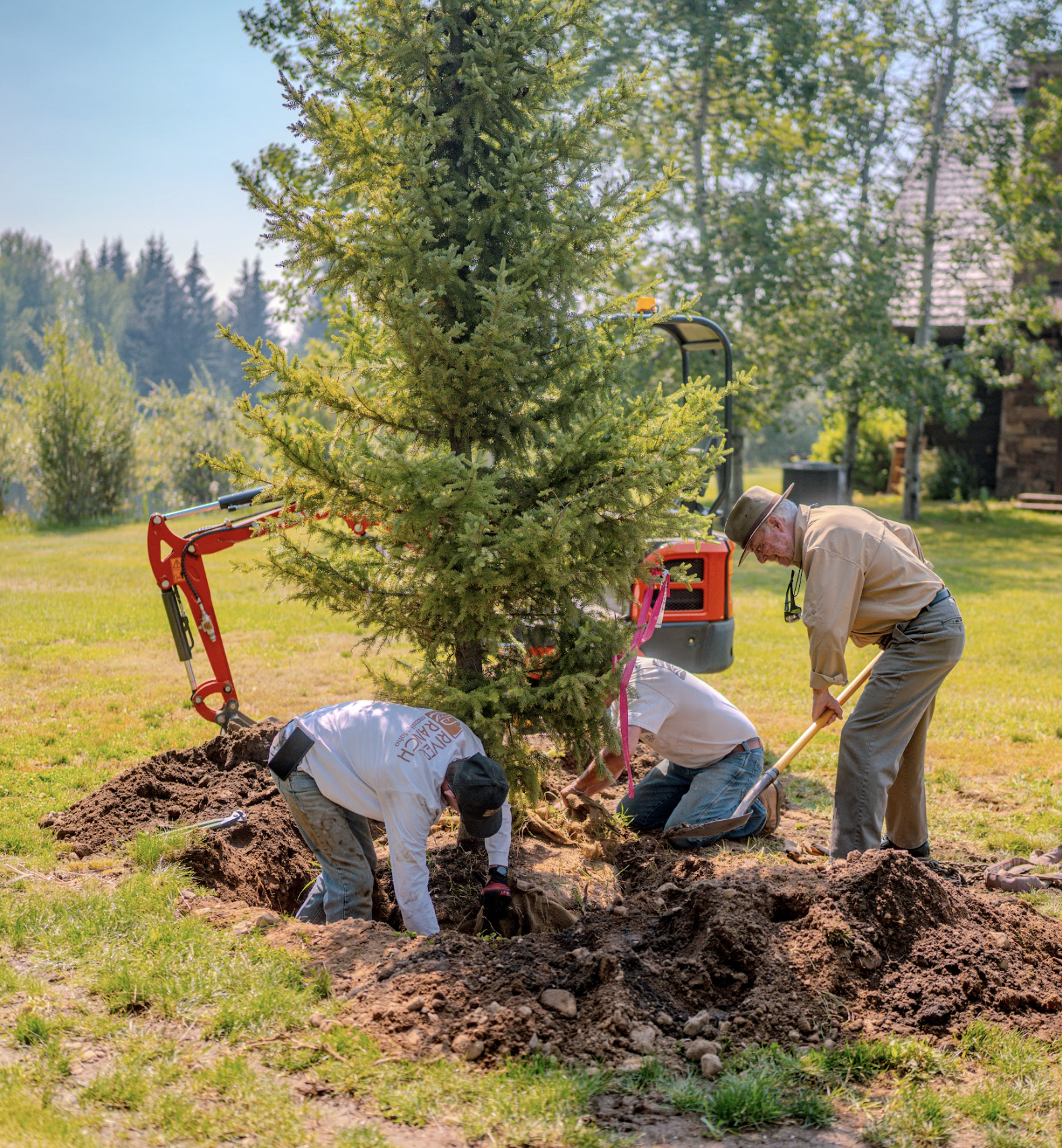
From the water, open spaces, lush green berms, and over 4,000 trees that the families planted throughout its 458 acres, River Ranch retains the unique feeling of a ranch. Homeowners are attracted to the inherent beauty of the land, proximity to downtown, and lot privacy, as well as the recreational opportunities within the McCall area that accommodate an active lifestyle. There is no question that the partners’ vision was brought to life through River Ranch.

Where Legacy Lives in the Land
Soulful & Sensible Stewardship Across 458 Acres & 2.5 miles of River Frontage
A Stewardship Standard, Not a Manicured Illusion
At River Ranch, we don’t manicure the land—we steward it. Across 458 acres & 2.5 miles of river frontage, our approach honors seasonal rhythms, ecological intelligence, and generational purpose. With a dedicated team of three, we focus care where it matters most (entryways, gathering spaces, and safety corridors) while allowing wild zones to evolve naturally.
“Every patch of golden grass and fallen limb tells a story of resilience, renewal, and legacy.”
What You’ll See—and Why It Matters

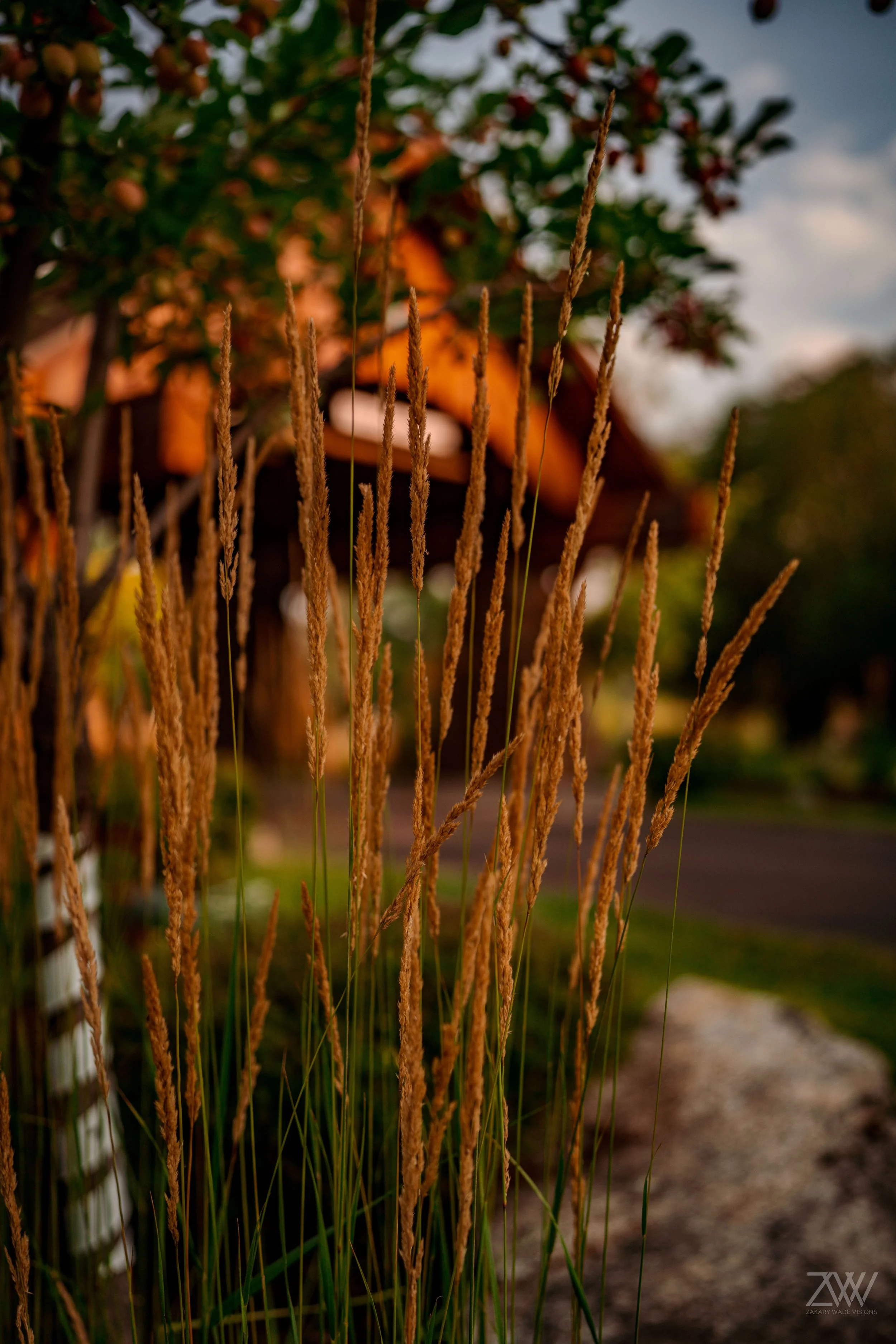
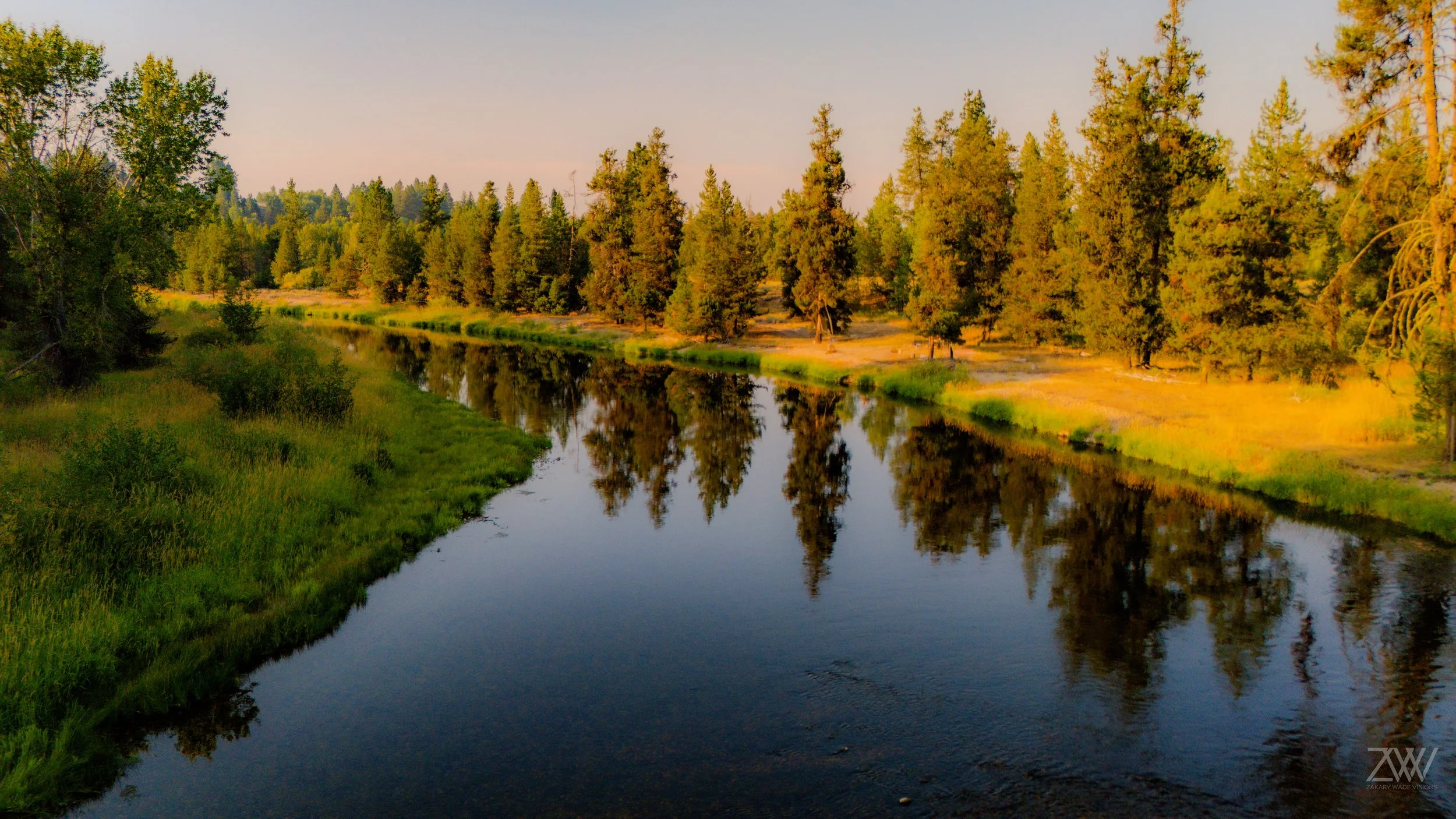
Golden grasses in summer: Dormant, not dead. Native grasses rest and regenerate, storing energy for the next bloom.
Aging trees and fallen limbs: Habitat, not hazard. We intervene only when safety or access is at risk.
Seasonal browns and rugged edges: Purposeful, not neglected. These textures reflect the land’s natural rhythm and ecological health.
Thresholds of Intervention
Dead Grass
Dead Trees
INTERVENE WHEN…
Safety hazard near infrastructure
Fallen Limbs
INTERVENE WHEN…
Blocking roads or drainage
Brown Zones
INTERVENE WHEN…
Erosion or visibility issues
Visual Impact
Fire Risk / Invasive disease
INTERVENE WHEN…
Dormancy or low traffic
LEAVE WHEN…
Wildlife habitat in wild, non-improved zones
LEAVE WHEN…
Decomposing naturally in pasture
LEAVE WHEN…
Seasonal rhythm, no safety impact
LEAVE WHEN…
Undermines the brand at key zones
INTERVENE WHEN…
Occurs in ecological cooridors
LEAVE WHEN…
Thresholds of Intervention
ELEMENT
INTERVENE WHEN…
Dead Grass
Fire Risk / Invasive disease
LEAVE WHEN…
Dormancy or low traffic
Dead Trees
Safety hazard near infrastructure
Wildlife habitat in wild, non-improved zones
Fallen Limbs
Blocking roads or drainage
Decomposing naturally in pasture
Brown Zones
Erosion or visibility issues
Seasonal rhythm, no safety impact
Visual Impact
Undermines the brand at key zones
Occurs in ecological cooridors
Ranch Standards vs. Manicured Expectations
FEATURE
MANICURED
RANCH
Ornamental perfection
Aesthetic
Rugged harmony
Labor
High touch
Strategic
Materials
Imported
Native
Unsustainable with limited staff
Feasibility
Scalable with 3 staff